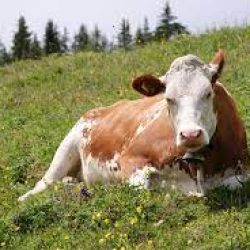
CattleRelevant commodity
Independent EUDR readiness and verification support for geolocation, traceability, legality and deforestation-free evidence across Southeast Asian supply chains serving the EU market.
For oil palm, rubber, wood, cocoa, coffee, soya, cattle and products within Annex I.
EUDR applies only to relevant products identified by the applicable CN/HS codes—not automatically to every derived product.
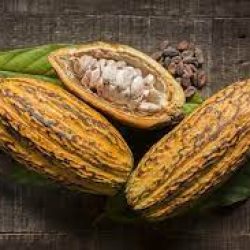
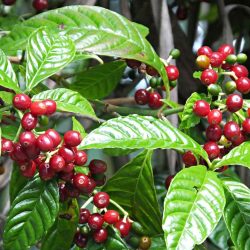
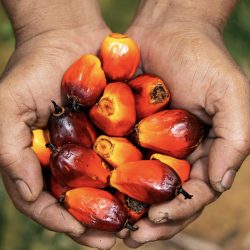
Coverage depends on the relevant product description and CN/HS code in the latest version of EUDR Annex I.
Before a relevant product is placed on, made available on, or exported from the EU market, it must meet all three Article 3 conditions.
Produced on land not subject to deforestation after 31 December 2020, with forest-degradation rules also applying to wood.
Produced in accordance with the relevant legislation of the country of production, supported by verifiable evidence.
Covered by the applicable Due Diligence Statement or simplified declaration submitted through the EU Information System.
Reporting and system submission document the outcome; they are not a fourth due-diligence step.
Product, quantity, origin, suppliers, customers, geolocation, production date and supporting evidence.
Evaluate country risk, forest presence, supply-chain complexity, information reliability and other Article 10 criteria.
Where risk is not negligible, obtain additional evidence, conduct surveys or audits, and apply proportionate controls.
Trans Cert supports producers, processors, exporters and EU customers sourcing across Southeast Asia. The country of production—not the trading or trans-shipment hub—determines which EUDR risk classification applies.
Brunei, Lao PDR, Philippines, Singapore, Thailand, Timor-Leste and Vietnam
Cambodia, Indonesia and Malaysia
Myanmar
Provides origin, plot, production, legality, traceability and deforestation-free evidence.
Exercises due diligence and submits the applicable declaration before market placement or import.
Exact responsibility depends on the legal entity, transaction and supply-chain role.
Our work is structured around the records your customer, operator or assurance team will need to examine—not a generic checklist.
Identify applicable products, roles, data gaps and priority actions before the regulation applies.
Map suppliers, facilities, plots, batches and information flows across the relevant supply chain.
Review plot coordinates, polygon data, production dates and the link between origin and shipment.
Evaluate maps, satellite evidence and records against the 31 December 2020 cut-off date.
Assess relevant licences, land-use rights, permits and other country-of-production evidence.
Structure risk evaluation, document conclusions and define proportionate mitigation actions.
This is the Trans Cert service workflow, separate from the three legal due-diligence steps above.
Confirm products, HS codes, entities and supply-chain roles.
Identify missing plot, supplier, legality and shipment evidence.
Test traceability, documents and risk conclusions.
Issue findings, action priorities and a verification record.
TRANS EUDR is an independent readiness and verification service. It is not an EU certification scheme and does not replace an operator’s legal responsibility, due diligence system or declaration.
Product scope and responsibility should always be confirmed against the latest legal text and the actual transaction.
Official EU EUDR resourcesCertification and third-party verified information can support an EUDR evidence package, but they do not automatically replace the operator’s due diligence obligations, product-level traceability or the applicable declaration in the EU Information System.
For products entering the EU, the EU operator or importer normally submits the applicable declaration before the customs declaration is lodged. Southeast Asian producers and exporters typically provide the origin, geolocation, legality and traceability evidence needed by that operator.
Under the current benchmark, Brunei, Lao PDR, Philippines, Singapore, Thailand, Timor-Leste and Vietnam are listed as low risk; Cambodia, Indonesia and Malaysia remain standard risk; and Myanmar is listed as high risk. The relevant classification follows the country where the commodity was produced, not a later trading hub.
Relevant commodities must not have been produced on land subject to deforestation after 31 December 2020. For wood, the forest-degradation requirements also apply.
No. Scope depends on the current product entries and CN/HS codes in Annex I. A product-scope check should be completed before collecting evidence or making a compliance claim.
Send us your commodity, product or HS code, country of production and intended EU transaction. We will help define the right starting scope.